Clove Farming: A Profitable Venture with Endless Benefits
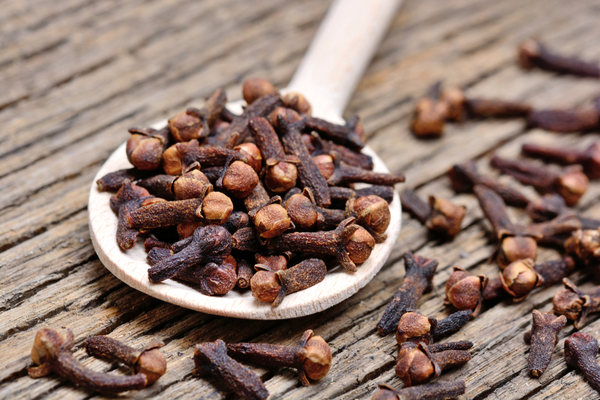
Clove (Syzygium aromaticum), known for its aromatic and medicinal properties, is one of the most sought-after spices globally. It is widely used in culinary applications, traditional medicine, and modern pharmaceutical industries. Clove farming offers a lucrative opportunity for farmers due to its high demand and market value. In this blog, we will explore the process, benefits, and key considerations for clove farming.
Why Choose Clove Farming?
- High Demand: Cloves are extensively used in food, beverages, and health products.
- Long-Term Returns: A clove tree remains productive for over 100 years, ensuring a steady income.
- Medicinal Properties: Cloves are valued for their antibacterial, antifungal, and antioxidant properties, increasing their demand in natural remedies.
Ideal Conditions for Clove Farming

1. Climate
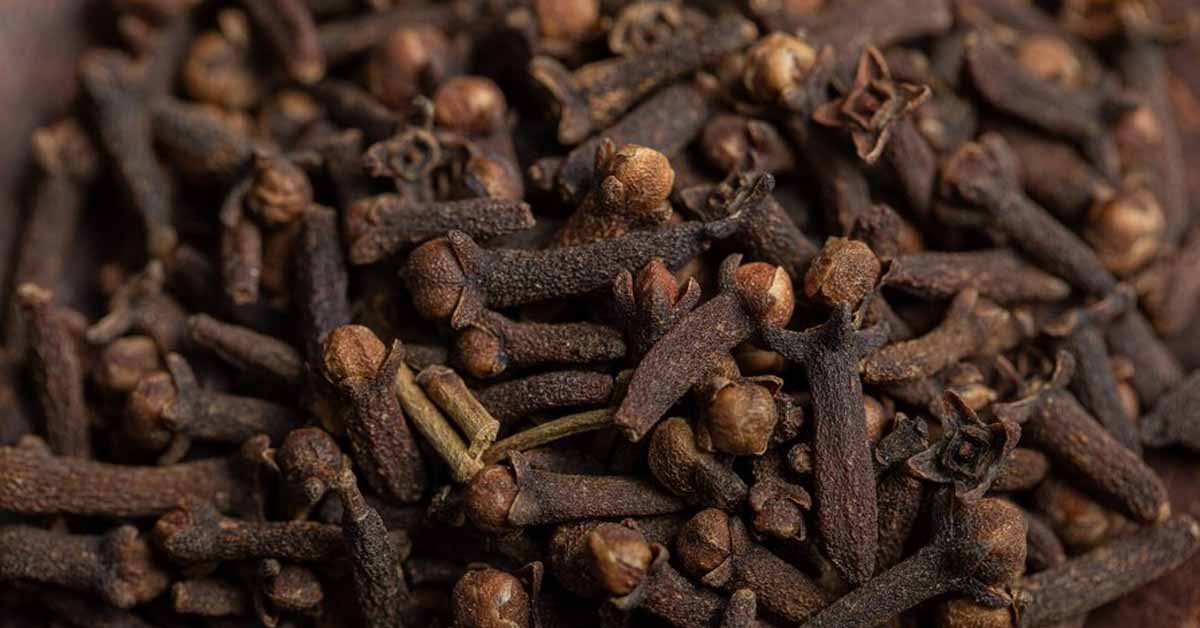
- Clove thrives in tropical and humid climates.
- A temperature range of 20°C to 30°C and annual rainfall of 150-250 cm is ideal.
2. Soil
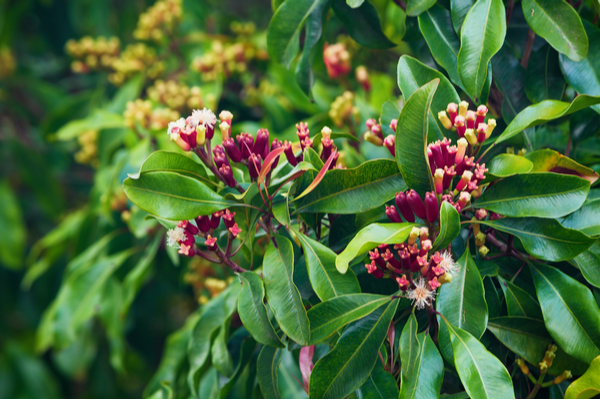
- Fertile, well-drained loamy soil with a pH of 5.5 to 6.5 is best for clove farming.
- Avoid waterlogged areas to prevent root rot.
Clove Farming Process
.jpg)
1. Seed Preparation

- Clove seeds are sourced from mature and ripe fruits.
- Plant seeds in a shaded nursery with soil enriched with organic compost.
- It takes 1-2 years for seedlings to mature enough for transplantation.
2. Planting
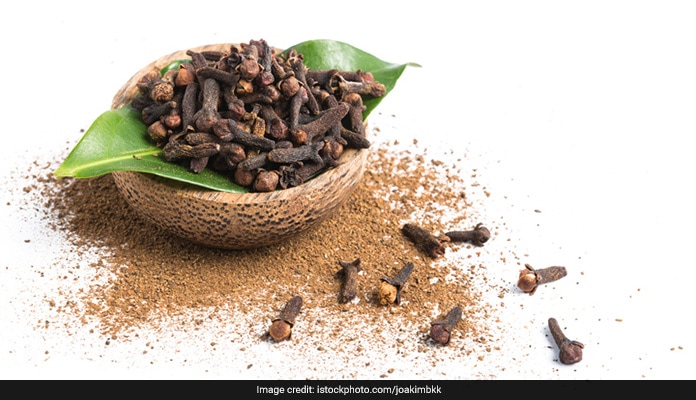
- Transplant seedlings during the monsoon season for better establishment.
- Maintain a spacing of 6-7 meters between trees.
3. Irrigation
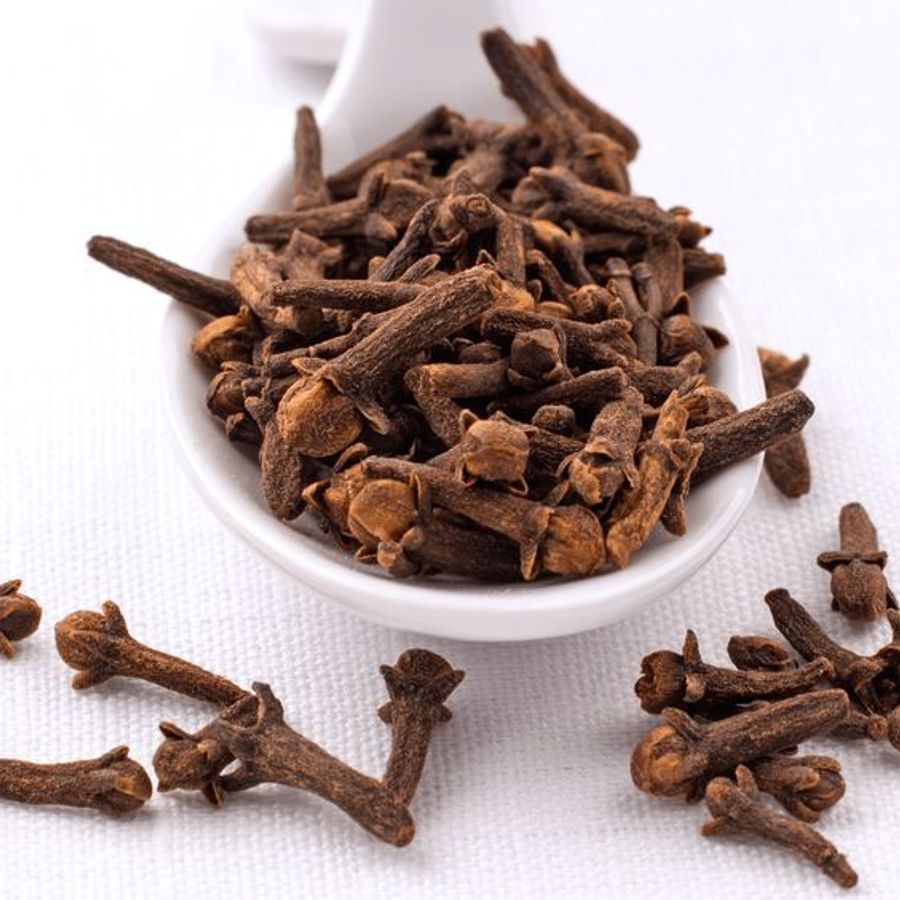
- Regular watering is essential, especially during dry periods.
- Avoid overwatering to prevent diseases like root rot.
4. Fertilization

- Apply organic manure and balanced fertilizers like nitrogen, phosphorus, and potassium.
- Add 10-15 kg of compost annually for each tree.
5. Pest and Disease Management
- Common issues include leaf spot, stem borers, and fungal infections.
- Use neem oil or organic pesticides for eco-friendly pest control.
Harvesting and Production
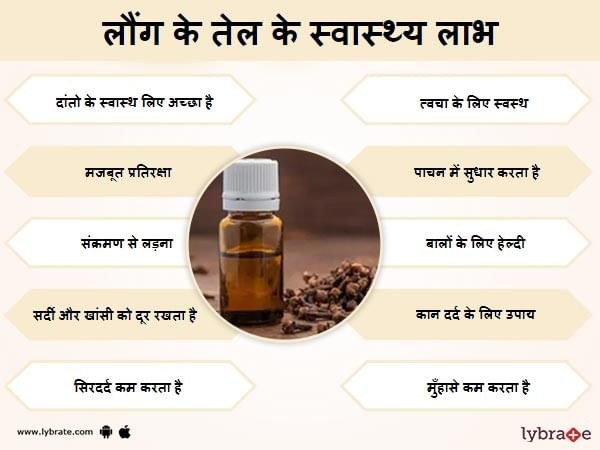
- Clove trees start flowering after 7-8 years of planting.
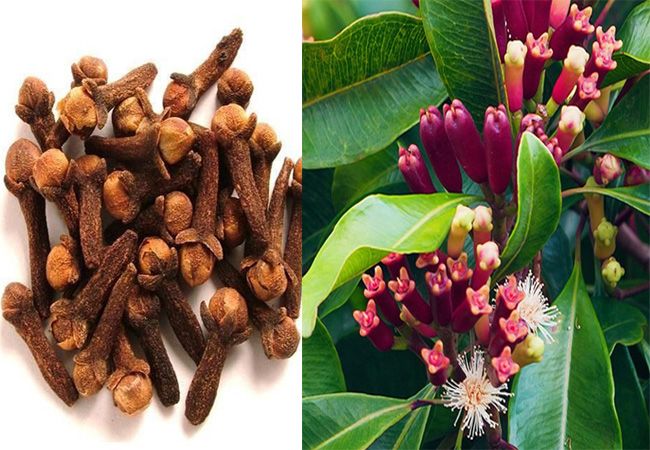
- Harvest flower buds when they are green but fully developed.
- Dry the buds in the shade until they turn brown.
Yield:
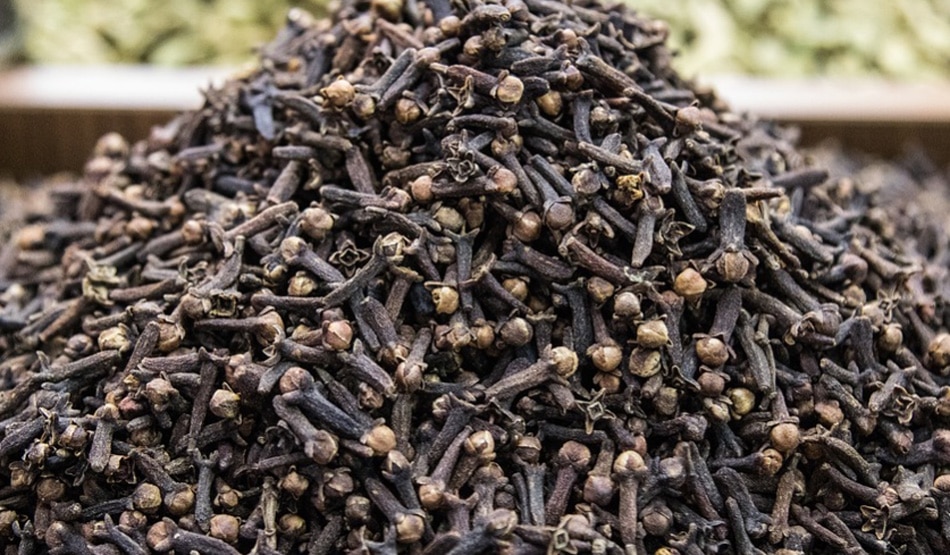
- A mature clove tree produces 3-5 kg of dried cloves annually.
- With proper care, a hectare of land can accommodate 150-200 trees.
Benefits of Clove Farming
- High Market Value: Cloves are premium spices with consistent demand.
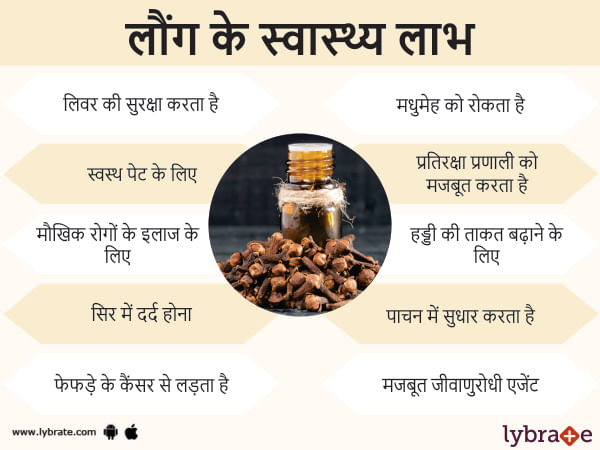
- Medicinal Use: Clove oil and dried cloves are widely used in traditional and modern medicine.
- Intercropping Opportunities: Farmers can grow ginger, turmeric, or vegetables between clove trees for additional income.
- Long-Term Returns: Clove trees provide yields for decades with minimal maintenance after establishment.
Challenges in Clove Farming

- Slow Growth: Clove trees take several years to mature.
- Climate Dependency: Irregular rainfall or extreme weather can affect productivity.
- Pest and Disease: Without timely management, these issues can impact yields.
Comments
Post a Comment